How Austrian Flower Farmers Extend the Growing Season
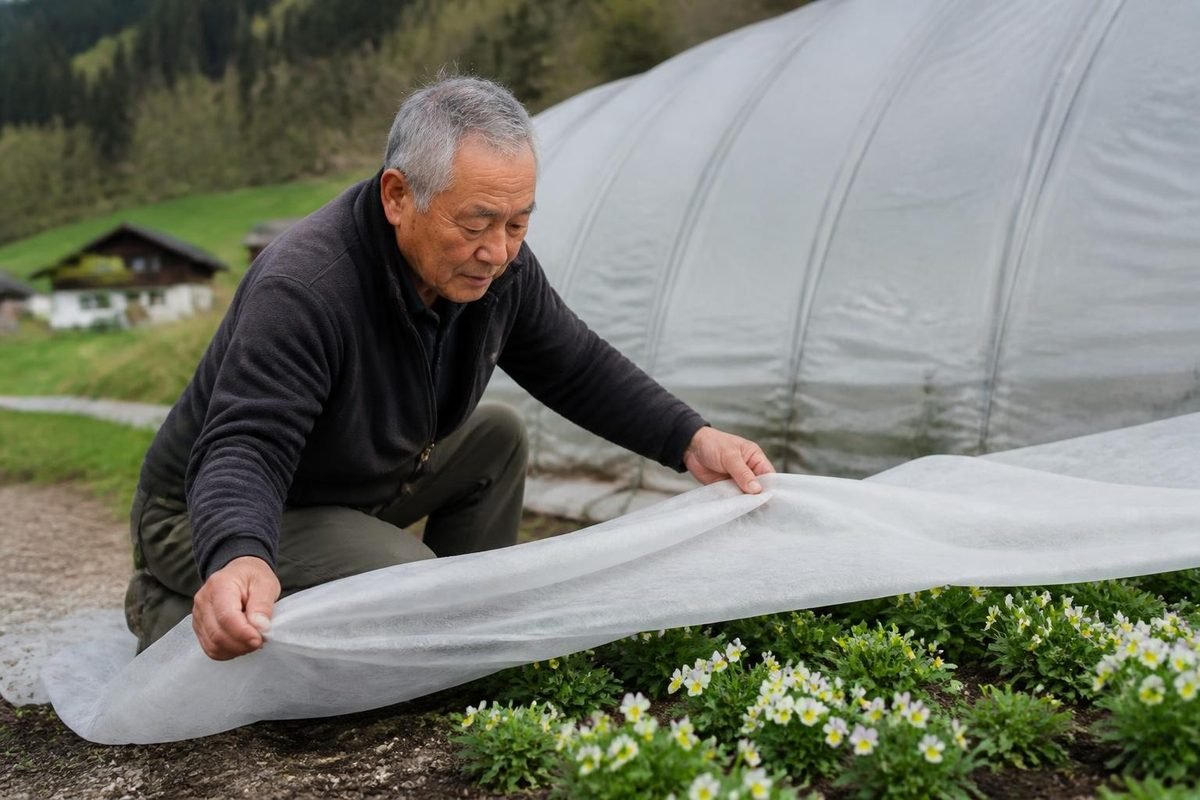
Flower farmers in Austria can extend the growing season by raising plants under cover, starting crops early and choosing flowers that tolerate cooler weather. Some also use bulbs, succession planting and dried flowers to make more of the months outside the main summer harvest.
Protection from cold and rain
Austria has a range of growing conditions, from milder lowland areas to colder Alpine regions. Frost dates and the length of the outdoor season vary with location and elevation, so a method that works on one farm may need different timing on another.
Greenhouses and unheated polytunnels give growers a sheltered place to start seedlings and grow some crops earlier or later than they could in open ground. These structures can keep rain and wind off plants and trap warmth during the day. They do not guarantee frost protection, particularly on very cold nights.
Smaller covers can help too. A layer of horticultural fleece over a bed gives young plants some protection from light frost. Covers need attention as the weather changes: plants can overheat on a sunny day, and enclosed spaces need ventilation to limit excess moisture.
Covering a crop has another benefit for cut flowers. Heavy rain can damage petals and muddy stems, so shelter may help growers harvest flowers in better condition during unsettled weather.
Timing crops for more harvests
Extending the season is partly a matter of choosing the right plant for the conditions. Some flowers grow well in cool spring weather, while others need warm soil and settled nights. Bulbs planted ahead of winter can provide an early crop before many summer flowers are ready.
Growers can also sow or plant a crop more than once. Instead of having all the flowers open together, successive batches can provide stems over a longer period. The interval between plantings depends on the crop and the weather.
- Start suitable seedlings under cover before outdoor planting conditions arrive.
- Plant spring flowering bulbs ahead of their expected bloom.
- Sow several batches of flowers that are suited to repeated planting.
- Use cool tolerant crops for the edges of the growing season.
- Reserve sheltered space for crops that benefit most from protection.
Timing still has limits. Short days and low temperatures slow growth, even inside an unheated tunnel. Growers need to plan around the light and warmth their plants will actually receive, rather than relying on a calendar date alone.
Using flowers after harvest
Not every flower sold outside the summer months has to be freshly cut that week. Some stems, seed heads and grasses can be harvested and dried for later arrangements. Drying does not extend the growing season itself, but it can extend the time a farm has its own flowers available.
Good storage matters for fresh flowers as well. Clean containers, water and cool conditions can help keep harvested stems usable for longer, though their vase life varies by flower. Storage is a short term tool, not a substitute for a new crop.
A longer season usually comes from combining several of these practices. The useful mix depends on the farm, its crops and the local weather.
A useful next read: send a present overseas